Coronavirus: how Italy is facing this pandemic

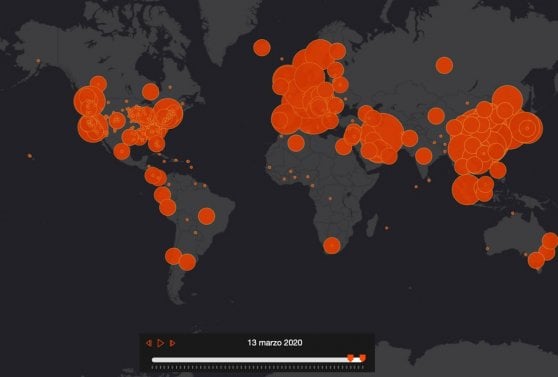
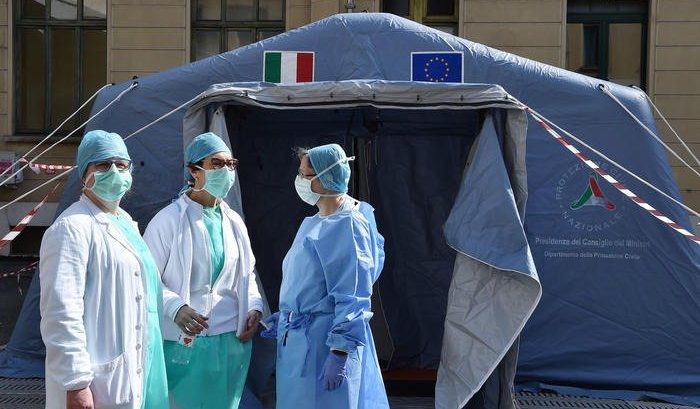
The term Covid-19 refers to the respiratory disease caused by the SARS-CoV-2 coronavirus, a virus that isn’t born in a laboratory, but in nature. Indeed, this new coronavirus, that comes from an Asian species of bat, evolved up to be able to infect the human being, causing main sites of disease. The first main site took place in December 2019 in Wuhan, a Chinese city in the region of Hubei. Unfortunately, the situation was underestimated, in fact the Chinese government decided to let the tragic situation be known too late, so the virus reached Europe first, in particular Italy, and then all the continents. The World Health Organization, for this reason, decided to declare the global pandemic on 11 March 2020. Italy was intensely affected by coronavirus. Our country faced a lot of difficult moments from the discovery of the first two cases of coronavirus in Italy, all sectors were stopped, schools were closed, together with shops, bars, restaurants, churches, offices and all the places in which were created groups. (Italian citizens were in quarantine from the 9th of March and just few days ago, the 4th of March, we started the phase 2, in which it is allowed to go out, but just to visit relatives or to play sports, as long as people don’t get out of the region and don’t create groups. Solidarity is the keyword in this difficult moment for Italy.)

Giorgio Armani was among the first to donate to hospitals in our country. Now a new gesture of generosity comes from the great Italian designer: he will convert fashion production into lab coats for healthcare workers committed to coping with the spread of coronavirus. Like him, many other companies in the fashion industry have taken the field to help healthcare. (With a note, the Armani group announced that it will convert all its Italian production plants to make disposable coats for the individual protection of health workers who are fighting against covid 19. Armani has already donated 2 million euros, first in favour of the Civil Protection and of some hospitals such as Luigi Sacco, San Raffaele, the Cancer Institute of Milan and Spallanzani in Rome. )

(The Made in Italy brand continues to respond to the country’s Covid-19 emergency with generosity and ingenuity, donating enormous sums of cash and putting its factories at the disposal of the national effort. In addition, the digital entrepreneur Chiara Ferragni and her husband Fedez, are doing their part to fight the coronavirus crisis.)
They donated 100 thousand euros and launched a fundraising campaign thanks to which an additional intensive care unit was set up at the San Raffaele hospital. More than 4.4 million euros have been raised so far thanks to the generosity of over 202 thousand people. Anyone can also participate with a minimum donation of 5 euros through the gofundme online platform. The initiative carried out with the collaboration of Prof. Alberto Zangrillo, head of cardiovascular intensive care and general of San Raffaele Hospital in Milan, will support the intensive care, a super-specialist environment for the seriously ill.

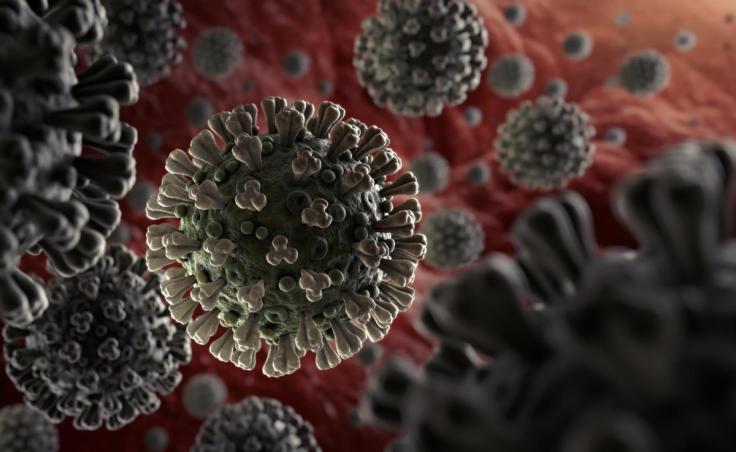
The economic consequences of coronavirus pandemic.

The economic consequences are particularly serious for Italy, that, after China, is the country with the highest number of cases to the present day.

Considering the duration and the intensity of the infections curve, it is not unrealistic to think that, during the current year, it could be recorded a drop in the gross domestic product (GDP) until a maximum of one month, namely 150 billion euro. In this event, the GDP drop could range between 4 and 5%, if not more, with consequent negative effects on the unemployment rate. Currently, because of coronavirus, the main institutes of statistics calculate the GDP drop for the 2020 between 1 and 2% in Italy.

Therefore, Italy is required to promptly prepare for this alarming scenario and set out an extraordinary program of public investments and industrial policy. In total, this is expected to be 400 billion euro over 5 years, of which 250 for public investments in tangible and intangible assets and 150 billion for investments in the Italian industrial system, with particular regard to the step toward the digitalisation and the consequent increase of productivity that Italy needs for its competitiveness.

The major industrialized countries, headed by United States of America and European Union, are working in order to bring back in their countries a part of the industrial production outsourced in the last decades, with severe effects on their employment level, which is called reshoring.

The reshoring objective is demonstrated by the European Commission commitment (A stronger European industry for the growth and the economic recovery, 2012) to move, within 2020, from the current 16.5% of the GDP, linked to the manufacturing, to 20%. It is followed by the notable allocation of community funds for the research and the industrial sector development.

As for Italy, it represents an increase in the industrial added value of almost 70 billion euro, with prominent increases of the employment level in the manufacturing sector.

Coronavirus e peste, due delle più grandi pandemie della storia.

Come ben sappiamo, la situazione attuale a causa del Covid-19 è diventata tragica, non solo in Italia ma in tutto il mondo. Ma partiamo dall’inizio.

Con la pandemia di Covid-19 si intende la malattia respiratoria causata dal coronavirus SARS-CoV-2, un virus che, a differenza di quanto si era pensato in precedenza, non è nato in un laboratorio, bensì in natura. Infatti, questo nuovo coronavirus, proveniente da una specie di pipistrello presente in Asia, si è evoluto fino ad essere in grado di infettare l’uomo, facendo il così detto “salto di specie” e causando dei focolai di malattia. Il primo focolaio si è verificato a Wuhan, una città cinese nella provincia dell’Hubei, nel Dicembre 2019. Purtroppo, inizialmente, la situazione è stata sottovaluta, infatti il governo cinese ha deciso di rendere nota la tragica situazione troppo tardi, così il virus ha raggiunto per prima l’Europa, in particolare l’Italia, per poi diffondersi in tutti i continenti del mondo. Proprio per questo l’Organizzazione Mondiale della Sanità ha deciso di dichiarare la pandemia mondiale l’11 Marzo 2020.

L’Italia è stato colpita fortemente dal coronavirus, tanto da essere il secondo Paese più colpito al mondo con più di 110.000 casi, prima di noi solo gli Stati Uniti. Al momento, secondo provvedimenti presi dal governo italiano, il nostro Paese si trova in quarantena fino al 13 aprile, così come quasi tutto il resto del pianeta, e il fatto che venga prolungata è altamente probabile.

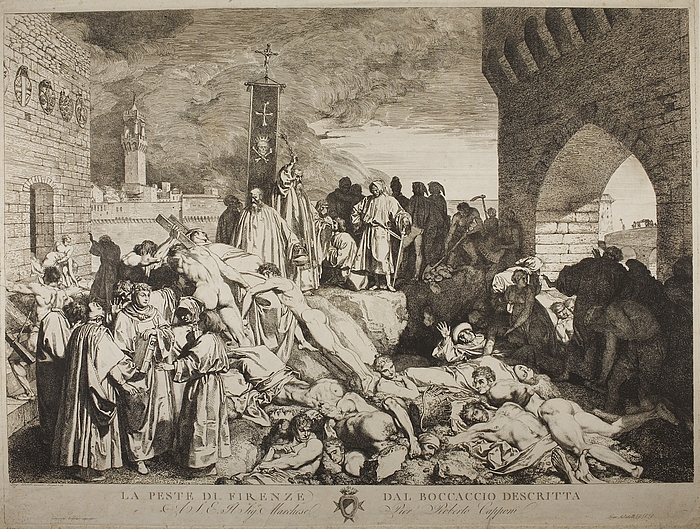
La situazione che stiamo vivendo oggi è molto simile alla situazione verificatasi a causa della pandemia di peste nel XIV, che rappresenta una delle più grandi pandemie della storia. E fu proprio allora che nacque la quarantena. Venezia è stata una delle prime città ad attuare delle misure di sicurezza per arginare la diffusione della peste e una di queste fu proprio l’isolamento di 40 giorni che veniva imposto agli equipaggi delle navi che volevano raggiungere il porto della città. Si può dire che siamo tutti abbastanza informati sulla pandemia della peste e questo lo dobbiamo alla letteratura, in quanto molti autori noti hanno affrontato l’argomento della peste nelle loro opere, tra loro troviamo Boccaccio, Manzoni e Petrarca. Ad esempio Boccaccio nella sua celebre opera il Decameron descrive in modo dettagliato la situazione che stava affrontando l’Italia a causa della pandemia:<<Assai e uomini e donne abbandonarono la propria città, le proprie case, i lor luoghi e i lor parenti e le lor cose, e cercarono l’altrui o almeno il lor contado>>. Leggendo questi versi si comprende subito la somiglianza con la nostra situazione attuale, infatti all’inizio dell’epidemia, quando ancora non era stata imposta la quarantena, molti lavoratori e studenti hanno lasciato le loro case per tornare nelle loro città d’origine, portando ad un aumento smisurato nel numero dei contagi.

Nonostante l’evoluzione scientifica e tecnologica degli ultimi decenni, di fronte ad un nemico invisibile come questo rimaniamo tutti inermi, e questa è soltanto la storia che si ripete.

Blog su WordPress.com.

Su ↑

Applausi All'Atterraggio

Paese che vai, Italiano che trovi

Tutto d'un viaggio

blog di viaggi e molto altro

Heritage Sicily

Discover the Beauty

Martina Zizzari

"Senza la traduzione abiteremmo province confinanti con il silenzio." (George Steiner)

Barbara Berini

mediatrice linguistica

Sara De Angelis

Lingue, viaggi e università.

Aurora Busino

Mediatrice linguistica

Marianna Spadano

Mediatrice linguistica

Progetta un sito come questo con WordPress.com
Comincia ora